
Views: 0 Author: Site Editor Publish Time: 2026-07-31 Origin: Site


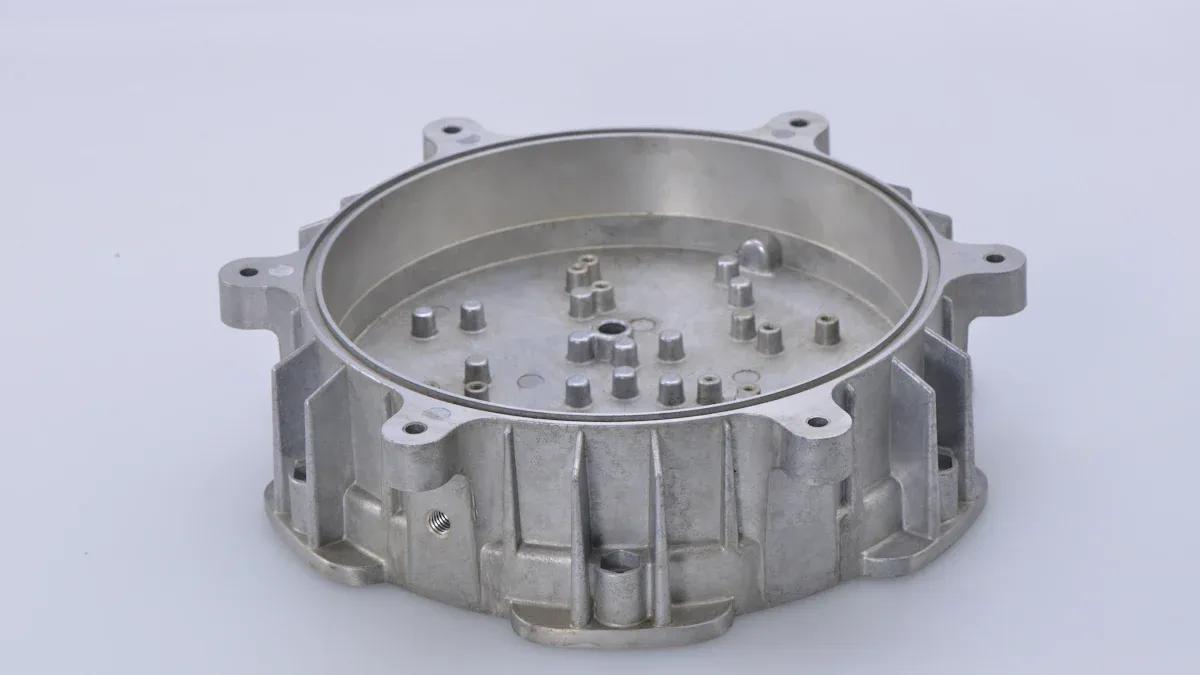
Image Source: unsplash
When comparing adc12 vs a380, experts pick metals for exact goals. A380 is North America's main die casting aluminum alloy. It offers high tensile strength up to 324 MPa. This helps make strong structural parts. Asian factories like ADC12 for its great casting ability. More silicon gives ADC12 better flow for thin shapes.
Key Trade-offs:
Strength vs Corrosion: A380 has more copper for better strength. ADC12 fights rust much better.
Thermal & Tooling: ADC12 spreads heat well. It also protects tools on small electronic parts.
A380 aluminum has more copper. It gives strong support for heavy car parts.
ADC12 aluminum has extra silicon. It flows easily into thin molds.
ADC12 moves heat away fast. It keeps small electronics cool.
Less copper helps ADC12 block rust in wet spots.
American factories like A380 metal. Asian plants choose ADC12 metal instead.
Chemical mixes change how metal acts during production. Workers mix elements to help molten metal flow smoothly. This mix also changes final part strength. Comparing adc12 vs a380 shows different silicon levels. It also shows distinct copper ratios.
Chemical recipes make these two metals very different. ADC12 holds more silicon, from 9.6% to 12.0%. High silicon helps liquid metal flow through tight molds. Meanwhile, a380 aluminum alloy uses much more copper. Copper boosts strength, but it slows mold filling. Lower copper in ADC12 helps stop rust better.
The table below details official chemical limits for adc12 aluminum alloy:
Element Name | Specified Standard Proportion |
|---|---|
Silicon (Si) | 9.6% – 12.0% |
Copper (Cu) | 1.5% – 3.5% |
Iron (Fe) | Up to 1.3% |
Magnesium (Mg) | Up to 0.3% |
Zinc (Zn) | Up to 1.0% |
Aluminum (Al) | Remaining Balance |
Note: Extra silicon helps thin liquid flow into thin shapes.
Global engineering groups create precise names for alloys. Japanese factory rules label ADC12 as JIS H 5302. American factories name A380 under ASTM B85.
ADC12 acts like North American ASTM A383 alloy. Their core metal recipes match across world supply chains.
The following table summarizes international standard equivalents for regional sourcing:
Material / Alloy Name | Standard Designation | Region of Origin |
|---|---|---|
A380 | ASTM B85 | United States |
ADC12 | JIS H 5302 | Japan |
AlSi9Cu3(Fe) | EN AC 1706 | Europe |
Engineers check performance. They pick the best metal. Tests show key differences. Stress affects dynamic die cast parts.
Big loads need high strength. Tests measure metal stretch limits. Molders build solid engine parts. Both metals handle big pressure.
Tensile strength metrics show great strength:
Material Grade | Ultimate Tensile Strength (MPa) |
|---|---|
A380 Die Cast | 325 MPa |
ADC12 | Up to 331 MPa |
Yield strength shows permanent bending:
Alloy Type | Yield Strength (MPa) |
|---|---|
A380 | ~159 MPa |
ADC12 | ~152 MPa |
Hardness tests show dent limits:
Aluminum Alloy | Brinell Hardness (HB) |
|---|---|
A380 | 85–105 |
ADC12 | 70–90 |
a380 is harder. Plants use a380 for tough tools. Workers make steady automotive hardware.
Physical traits control heat release. Electronics and motors need cooling. High heat hurts internal hardware.
Thermal tests show heat traits:
Alloy Name | Thermal Conductivity (W/m·K) |
|---|---|
ADC12 Aluminum | 130 – 150 |
A380 Aluminum | 96 |
Key Takeaway: ADC12 moves heat fast. So, teams pick ADC12. They make thin heat sinks. They make light parts. They build solid housing.
Chemical mixes change rust limits:
Alloy | Copper Content (%) | Effect on Corrosion Resistance |
|---|---|---|
A380 | 3.0 – 4.0 | High copper drops rust protection |
ADC12 | 1.5 – 3.5 | Low copper aids rust control |
In wet spots, lower copper helps ADC12 block rust better than a380. Copper boosts strength. Yet, it harms rust safety. Higher copper makes a380 rust fast in humid air.
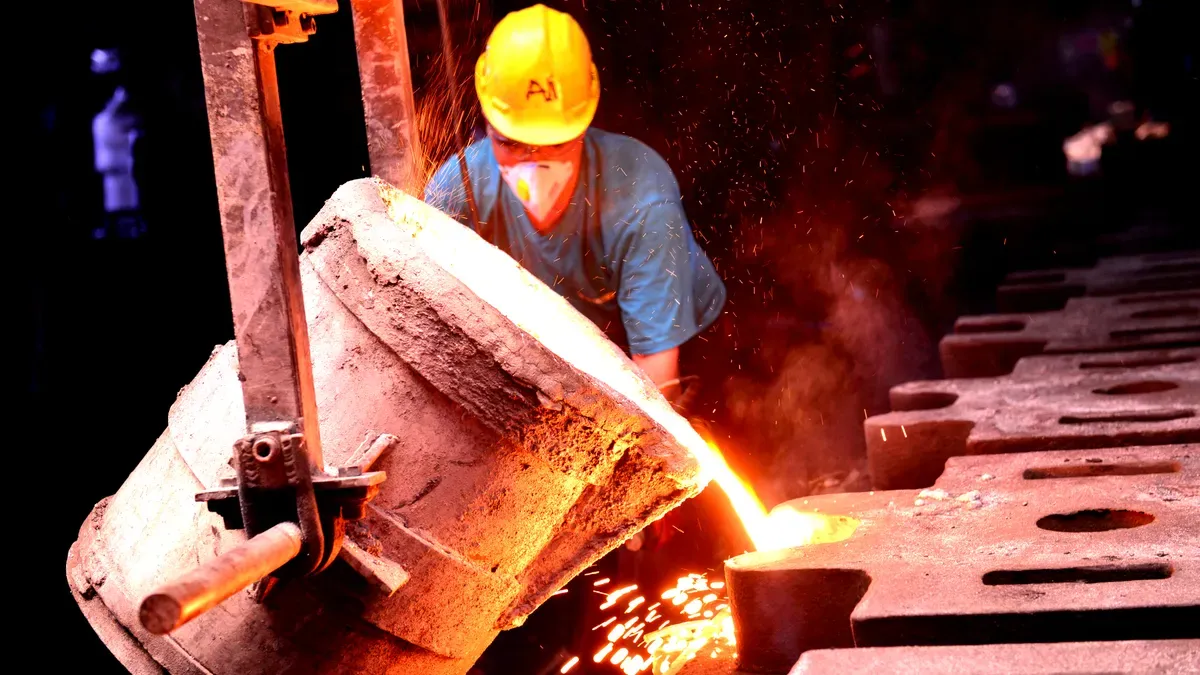
Image Source: pexels
High silicon helps liquid metal flow. Molds need molten metal. Foundries pick metals based on part shapes.
Extra silicon makes adc12 flow very well. Liquid metal glides into tight mold spaces. It forms thin, light parts easily. Lower silicon makes a380 flow much slower. Thick liquid struggles in very thin channels. Still, it fills normal parts quite well.
This table shows thin wall limits for metals:
Aluminum Alloy | Minimum Recommended Wall Thickness (mm) | Typical Nominal Range (mm) |
|---|---|---|
ADC12 | ~0.8 mm | 1.0–2.0 mm |
A380 | ~1.2 mm | 1.5–3.0 mm |
Great metal flow helps make electronic covers. Workers cast fine details without mold defects. So, adc12 works best for thin parts.
Workers cut cast parts for exact fits. Hard silicon bits wear down cutting tools fast. More silicon ruins sharp tool tips quickly. Less silicon in a380 makes tools last longer.
Reports show contrasting views on cutting metal. Yet, papers state ADC12 cuts very easily. It helps tools last during precise cutting.
Machinists weigh metal traits before cutting parts. This table compares key tool metrics for both metals:
Performance Metric | A380 Aluminum | ADC12 Aluminum |
|---|---|---|
Tool Wear Rate | Lower wear rate / Extended tool life | 10% to 15% accelerated tool degradation |
Primary Cause | Lower hard silicon content (7.5–9.5%) | Higher concentration of abrasive silicon particles (9.6–12.0%) |
Tooling Cost Impact | Baseline cost efficiency | Increases tooling expenses by $500–$2,000 per production run |
Chip Characteristics | Produces long, continuous turnings | Generates short, brittle chips that evacuate easily |
Tiny metal chips make drilling adc12 simple. Workers sweep away small bits very fast. Yet, a380 lowers total shop tool costs. So, plants pick a380 for thick parts. They use adc12 for fine, delicate parts.
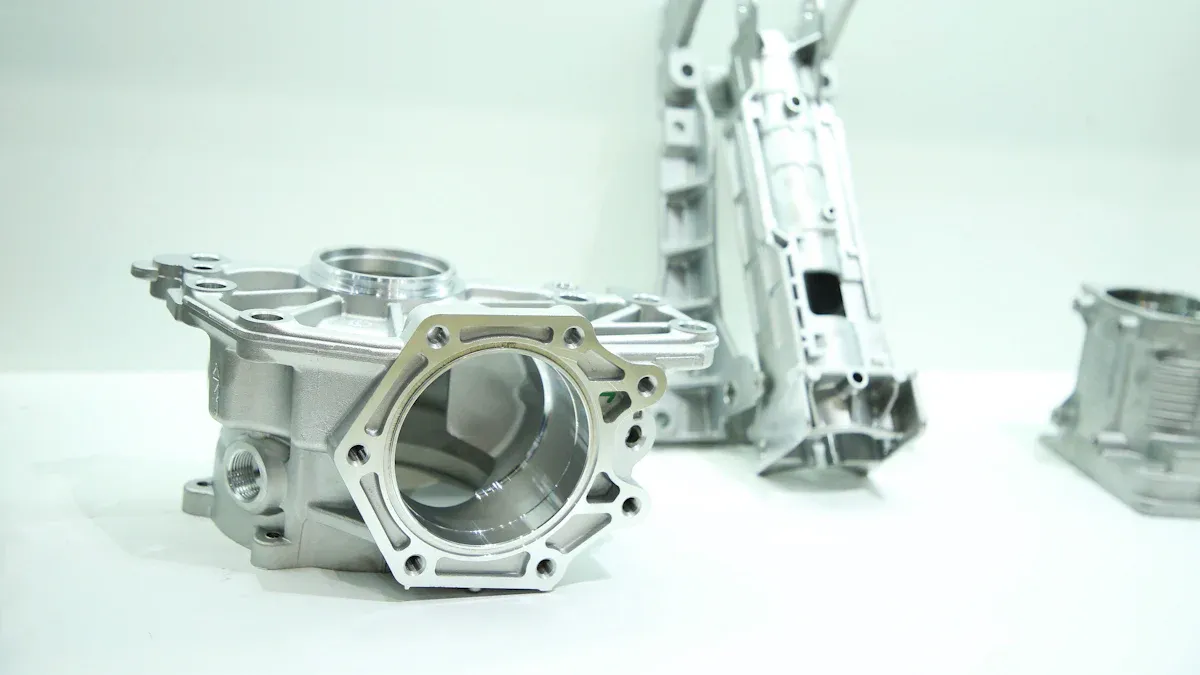
Image Source: unsplash
Metal traits guide alloy choices in factory work. Engineers pick special metals for different casting jobs across top industries.
Car factories need tough metals for heavy stress. Plants like a380 over adc12 for vehicle parts. This metal offers extra toughness.
More copper makes a380 strong and hard. This metal stays firm inside hot engine spots. Easy cutting also helps workers finish parts quickly.
The table below shows key a380 perks for vehicle parts:
Parameter / Property | A380 Characteristics | Advantage for Engine Brackets & Housings over ADC12 |
|---|---|---|
Chemical Composition | Higher Copper (Cu) content | Primary contributor to superior strength |
Mechanical Strength | High tensile power | Handles big stress, heavy loads, and wear |
Thermal Performance | High heat limits | Keeps strong shape in hot engine zones |
Machinability | Easy tool cutting | Makes smooth parts faster for precise engines |
Engineers pick a380 for engine brackets and gear cases. These tough parts must resist hard hits daily.
Tech shops pick adc12 aluminum for small electronic cases. Smooth flow helps liquid metal fill tiny molds.
⚡ Thermal Efficiency: ADC12 cools fast and holds strong. Good flow helps add fins and shells together. This simple shape makes items last longer.
Common electronic cast parts include:
Electronic Enclosures: Thin laptop shells, tablet cases, and power boxes for delicate parts.
LED & Thermal Management: Bright LED cases and cool heat sinks.
Application Category | Specific ADC12 Components |
|---|---|
Electronic Thermal Management | Power boxes, CPU coolers, and GPU heat sinks |
LED Lighting Systems | LED units, driver covers, and lamp bases |
Great heat flow makes adc12 great for outdoor gear and LED lights.
World supply networks control alloy choices. Plant locations affect metal choices. Nearby metal costs much less. Distance changes final part prices.
American shops stock local a380. Local buying lowers trade fees. Asian plants prefer adc12 aluminum. Overseas shipping adds huge extra costs.
Local sourcing brings clear trade perks:
USMCA Tariff Exemption: Regional rules allow tax-free shipping. Parts skip extra metal import fees.
Transit Efficiency: Land transport saves long weeks. Trucks deliver parts in two days.
Inventory & Risk Savings: Fast shipping drops warehouse holding costs. Companies avoid ocean trade hazards.
Tool life changes total factory costs. High silicon content wears down dies. Replacing bad tools costs extra money. Asian metal prices stay lower. Local shops save money on shipping.
Cost/Logistics Factor | Overseas ADC12 Sourcing | Local North American A380 Sourcing |
|---|---|---|
Material & Unit Costs | Cheap Asian adc12 lowers base costs. Importing special a380 adds fees. | Standard local a380 stops import costs. |
Tariff Exposure | High trade taxes increase final costs. Global trade disputes raise fees fast. | Local USMCA rules prevent import taxes. Parts avoid extra metal tariffs. |
Shipping & Lead Times | Ships take long weeks to cross oceans. Water freight fees change rapidly. | Land shipping takes two days. Fast delivery cuts warehouse costs. |
Engineers calculate total part costs carefully. Asian plants ship thin electronics in bulk. Local shops cast heavy car parts fast. Factories buy simple cases nearby. Local plants make complex motor parts quickly. Overseas factories sell cheap consumer mounts. Businesses buy strong frames from nearby foundries. Local teams build tough frames quickly. Smart buyers use strong local networks.
Part shapes guide material choice between adc12 vs a380. Engineers check walls, loads, and weather first.
Shapes direct liquid metal inside heavy steel molds. Complex, thin parts need aluminum with excellent castability. High silicon gives adc12 extreme fluidity. Liquid metal fills tight mold spaces without freezing. Meanwhile, a380 offers moderate castability for thick parts.
The table shows shape limits for both alloys:
Design Parameter / Feature | ADC12 Selection | A380 Selection |
|---|---|---|
Geometric Complexity Level | High detail (cool fins, tight shapes) | Simple or moderate structural shapes |
Wall Thickness Capabilities | Best for thin walls (1.5mm to 2.0mm) | Best for medium or thick walls |
Material Flow Mechanics | High silicon (9.6%–12.0%) fills tight spots | Low silicon (7.5%–9.5%) flows into big spaces |
Defect Mitigation Focus | Stops quick freezing near sharp turns | Cuts gas holes in heavy load parts |
Picking the right die casting aluminum takes careful testing. Teams check tensile strength, heat, and surface finishes. ideal applications for adc12 include thin electronics. Heavy automotive mounts use a380 for big loads.
Decision Matrix Criterion | A380 Alloy Specification | ADC12 Alloy Specification |
|---|---|---|
Castability & Wall Thickness | Regular castability for common parts. | Great flow for thin, complex parts. |
Mechanical Strength & Load | High copper adds strong tensile strength. | Medium strength for light parts. |
Corrosion Resistance | Needs extra paint or protective coats. | Strong natural protection for outdoor applications. |
Thermal Management | Normal heat release performance. | Fast heat release for hot parts. |
Machinability & Finishing | Cuts easily with sharp shop tools. | Cuts well during general casting jobs. |
Both metals take secondary surface coatings very well. Yet, high silicon prevents bright color anodizing.
Surface Treatment | ADC12 Performance | A380 Performance | General Notes |
|---|---|---|---|
Powder Coating | Gives a smooth, protective layer. | Sticks well and lasts a long time. | Great choice for sales applications. |
Electroplating (Ni, Cr, Zn) | Works very well on surfaces. | Shows great surface fit and strength. | Stops outer wear on cast parts. |
Painting | Works great with simple prep. | Works well after basic cleaning. | Cheap choice for raw casting parts. |
CNC Machining | Leaves smooth, clean metal surfaces. | Cuts easily with sharp steel tools. | Both metals show good cutting performance. |
Anodizing | Poor choice due to dark spots. | Poor choice due to bad colors. | Avoid anodizing for pretty parts. |
Engineers review total cost, tool wear, and regional supply. Asian plants make adc12 cheap for long ocean shipping. American shops keep a380 ready for fast delivery. Matching shapes with local supply improves performance and cost.
Summary: Silicon and copper change how liquid metal flows and stays strong in die casting aluminum.
Shops pick die casting aluminum for part shapes and heavy loads. Metal mixes set liquid flow and metal toughness. ideal applications for a380 cover tough car parts and heavy motor frames. Local American plants build these strong items. a380 bends easily under huge stress. Yet, adc12 flows better into thin parts and tech cases. Asian plants make these cool electronics. adc12 holds big loads up to 320 MPa. It lowers part prices for complex shapes.
A380 has more copper inside. This mix brings higher strength and top hardness. It easily holds big structural loads. ADC12 holds extra silicon instead. It yields slightly lower force limits. Yet, liquid metal glides much better.
Tooling Note: Metal shrink rates vary. Always check dies first.
Shops swap these metals often. ADC12 fills thin parts fast. Yet, swaps shift part sizes. They bring tiny mold flaws.
ADC12 packs high silicon amounts. High silicon speeds liquid metal flow. Foundries cast super thin walls easily. Plus, ADC12 moves heat away fast. It protects delicate inner electronics well.
ADC12 blocks natural rust better. It holds less copper than A380. High copper makes A380 rust fast. Wet air ruins it quickly. So, outdoor cases gain major perks from ADC12.

