
Views: 0 Author: Site Editor Publish Time: 2026-07-29 Origin: Site


Image Source: unsplash
When you make metal parts, you balance many things. You check the strength, environment, manufacturing, and price. Choosing the right aluminum alloy helps your tools last longer. It speeds up work and improves part quality.
Great die casting quality helps cut your factory waste.
Most workers start aluminum projects with basic metal options. Popular choices include A380 or A383 aluminum alloy options. These useful metals set high standards for die casting. You try special aluminum alloy choices only after testing these.
A380 and A383 alloys handle normal casting jobs.
They offer good strength at low prices.
Also, they fill molds very easily.
A360 stops rust from bad weather.
A413 flows into tiny mold gaps.
This stops leaks from happening inside parts.
High silicon wears out tools much faster.
But special diamond tools help them last.
Talk to your casting supplier early.
Do this during mold design.
It saves money and makes parts better.
Image Source: unsplash
Metal types split into two main groups. Types include basic options and strong choices. Every metal gives distinct perks for parts.
Makers pick basic metals for common builds. A380 acts as the main choice. It balances stiffness, value, and casting ease. A383 stops heat cracks during tight shaping.
Tables below show key metal properties:
Parameter / Property | Specified A380 Standard Value |
|---|---|
Silicon (Si) Composition | 7.5% - 9.5% |
Copper (Cu) Composition | 3.0% - 4.0% |
Maximum Iron (Fe) | 1.3% |
Maximum Zinc (Zn) | 3.0% |
Maximum Magnesium (Mg) | 0.10% |
Maximum Manganese (Mn) | 0.50% |
Maximum Nickel (Ni) | 0.50% |
Maximum Tin (Sn) | 0.35% |
Ultimate Tensile Strength | ~324 MPa |
Yield Strength | ~159 MPa |
Elongation | ~3.5% |
Hardness | ~80 HB |
Shear Strength | ~175 MPa |
Compare metal strength specs in regular setups:
Benchmark Metric | 383.0 (A383) | A380.0 |
|---|---|---|
Ultimate Tensile Strength (MPa) | 280 | 290 |
Yield Tensile Strength (MPa) | 150 | 160 |
Brinell Hardness | 75 | 80 |
Elongation at Break (%) | 3.5 | 3.3 |
Fatigue Strength (MPa) | 150 | 140 |
Elastic Modulus (GPa) | 73 | 73 |
Shear Modulus (GPa) | 28 | 27 |
Tin (Sn) Content (%) | 0 to 0.15 | 0 to 0.35 |
Zinc (Zn) Content (%) | 0 to 3.0 | 0 to 3.0 |
Mechanical Property | A380 Alloy | A383 Alloy |
|---|---|---|
Tensile Strength (PSI) | 47,000 | 49,000 |
Elongation (%) | 3.5% | 3.5% |
A360 tops A380 performance. It stops rust better. It keeps strength under high heat.
Per NADCA rust scores, A360 hits 2 out of 5. A380 gets 4.
Pick A360 for wet or chemical spots. This metal holds heavy loads under heat.
Hard rubbing damages simple metal fast. Pick hypereutectic metals like A390 and B390.
Element: Silicon (Si)
Concentration Range: 16.0% to 18.0% by weight
Function: Cuts wear and heat growth. It raises tool wear in car hypereutectic aluminum alloys.
Engineers pick these hypereutectic metals for car engines. Hard silicon bits stop rubbing damage.
Thin walls need smooth fluid flow. A413 metal flows best during casting.
Enhanced Fluidity: High eutectic silicon (~12%) thins liquid metal. Flow doubles pure metal for full mold fills.
Resistance to Hot Cracking: A near-eutectic mix tightens cooling ranges to 5°C. This cuts stress with fine dendrites and even eutectic phases.
Make tight covers with A413 without leak flaws.
Standard aluminum die casting alloys suit regular parts. Yet, load frames need special strong metals. Tough alloys add strength to main frames.
Know how high-pressure aluminum die casting choices differ:
356 aluminum: This permanent mold type gives top flow and smooth skin.
6061 aluminum: This wrought type adds power and simple cutting.
Selecting key metals assures part safety. Matching materials to jobs boosts product success.
Check key traits before picking metal choices. Metals react differently to forces and heat. Right choices help parts last very long.
Elements change strength and hardness directly. Copper turns soft aluminum into strong metal. Yet, copper alters many metal traits together.
Property | Influence of Copper Addition (2.0% to 3.0%) |
|---|---|
Hardness | Rises fast with total strength levels. |
Tensile Strength | Lifts power and hot work traits. |
Corrosion Resistance | Drops fast as copper levels grow. |
Safe parts need accurate strength traits. Metal choices must pass real load tests.
Mechanical Property | Measured Threshold Values (ksi) |
|---|---|
Ultimate Tensile Strength | 40.5, 42, 45, 46, 47, 48 |
Tensile Yield Strength | 19, 22, 23, 24, 35 |
Shear Strength | 25, 26, 27, 29 |
More silicon boosts stiffness. Iron stops sticking in hot molds.
Weather tests metal power over time. Wet air hurts weak options fast. Check if metals handle tough weather well.
Metals handle outdoor tests in unique ways:
Alloy Composition Impact: Common die metals like A380 contain copper. These items slow natural film growth down.
Short-Term Exposure: Plain parts hold strong past 50 hours. Salt tests start rust past 120 hours.
Long-Term Exposure: Long 30 day salt tests cause pits. Surfaces suffer heavy rust damage on A360.
Protective paint guards metal against ocean air.
New gadgets need fast heat spread paths. Pure metal passes power very fast. Mixing metals changes total electric power flow.
Alloy & Heat Treatment | Electrical Conductivity (% IACS) | Ideal Applications |
|---|---|---|
Aluminum A356-T6 | 39% | Power boxes, grounds, clean energy tools, motor parts |
Aluminum ADC12 | 25–35% | Common part casting setups |
Engineers pick conductive metals for chip cooling. Good heat flow boosts hot system work.
Liquid metal must fill tiny mold areas. Good flow helps cast complex shapes easily. Smooth metal makes thin light frames fast.
Mechanism of Cavity Filling: Good flow cuts travel drag easily. Liquid moves through thin 1mm walls quickly.
Defect Prevention: Slow flow loses heat to cool molds. Cold metal creates holes and weak seams.
Composition Adjustments: Silicon mixes boost liquid flow speeds fast. Smart tweaks keep full part strength high.
Checking flow early saves big part builds.
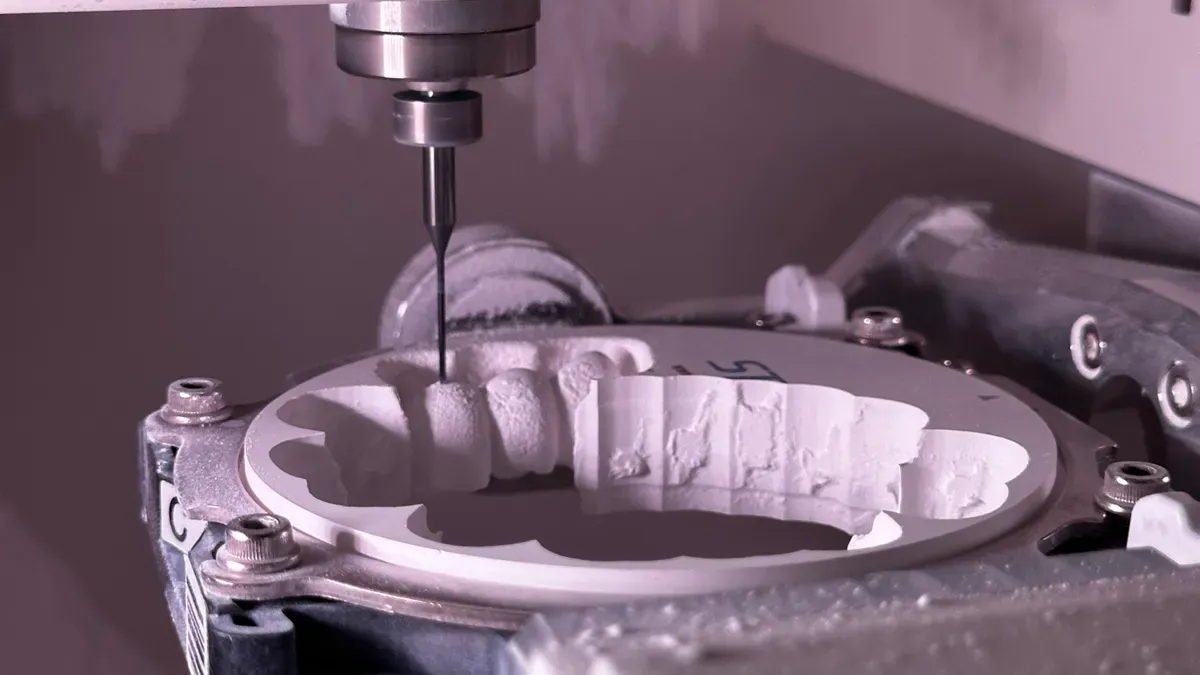
Image Source: pexels
Metal choices change factory expenses fast. Metal choices shift total scrap amounts. The right metal cuts smooth. It guards shop tools from early damage.
Silicon boosts hardness fast. It wears tool edges down quickly. Hard bits inside create friction and heat.
Thermal and Mechanical Stress: Hard silicon causes high friction. Fast mills face deep heat stress.
Production Impact: Heat cuts overall tool life fast. Metal warps under heavy heat. Factory output drops fast.
Parameter / Effect | Impact of High Silicon Content | Strategic Adjustment / Remedy |
|---|---|---|
Tool Wear & Degradation | Hard bits cause severe tool wear. Heat breaks small tool edges. Tool life drops fast. | Use Polycrystalline Diamond (PCD) inserts. Strong bits resist quick tool wear. |
Built-Up Edge (BUE) | Soft metal welds onto hot tools. Precision drops very fast. | Run steady speeds on CNC lathes. High speed stops metal weld builds. |
Machining Parameters | Slow speeds cause severe heat soak. Tools break under high heat. | Lift cutting speeds past 2,000 m/min. Fast cuts lower heat contact time. |
Heat treatment turns select metals strong. Heat warps metal shapes slightly. Techs watch heat traits close. Proper choices keep shape sizes true.
Coating layers stop bad weather wear.
Low-copper options yield thick protective skins. They stop dark spots completely. High copper raises electrical push. It makes rough blotchy finishes.
Protect metal items with distinct finishing choices:
Anodizing: Builds a strong surface shield. It stops rust damage fast.
Chem-Film: Boosts weather shields for parts. It keeps good electric flow.
Plating: Adds a strong metal shield. It stops exterior surface damage.
Powder Coating: Gives top rust defense layers. It handles high impact hits.
Electrophoretic Coating (E-Coating): Covers complex parts with equal layers. It holds tight to surfaces.
Fluid parts need leak proof walls. Silicon and copper set internal density. Silicon fills small inner gaps. Copper cuts inner shrinking down. Exact mixes remove dangerous air pockets.
Car frames need high strength. Battery cases also need power. RidgeAlloy uses recycled auto scrap. Oak Ridge Laboratory made it. It gives high strength. It stops crash damage well.
Engineers pick special metals now:
AlSi10MnMg: This metal stretches well. It shapes fast. It absorbs crash force.
Silafont-36: This metal bends easily. It stops quick breaks.
Castasil-37: This metal stretches very far. It protects key safety parts.
Small gadgets need fast cooling. Heat sink metals cool chips. Thin frames add high power. They stay very light. These choices protect inner circuits. They give strong mechanical support.
Seawater ruins simple metals fast. Pick right metals for oceans. They stop rust very well.
Alloy Name | Key Composition Characteristics | Marine Performance & Corrosion Resistance |
|---|---|---|
AlSi12 | High silicon content, low copper impurities | High resistance to saltwater attack; well-suited for pump components, enclosures, and valve bodies requiring dimensional stability. |
AC7A | Magnesium-based, restricted copper levels | Specifically engineered for seawater; offers robust defense against pitting and crevice corrosion in submerged or exposed parts. |
EN AC-43500 (AlSi10Mg) | Silicon and magnesium formulation | Delivers balanced corrosion defense and mechanical strength for precision marine components. |
AlMg5Si2Mn | Magnesium and manganese additions | Superior protection in continuous brine and salt-heavy environments, ideal for high-strength structures and engine parts. |
Add protective coatings on parts:
Anodizing
Powder coating
Painting
High pressure tests metal power. Heavy pumps need safe parts. Good die casting builds dense walls. It blocks dangerous liquid leaks.
Mastering alloy selection ensures superior part performance. Follow this practical alloy selection checklist for your project:
Mechanical priorities: Pick tough options for frames. Evaluated mechanical properties guide your load limits.
Thermal priorities: Pick high-fluidity alloy types for heat sinks. Also pick them for housings.
Each aluminum alloy offers unique mechanical properties. Your choice of die casting alloy controls success. Involve your aluminum die casting supplier early. Do this during tooling design. Early teamwork lowers cost. It improves every die casting alloy choice. Smart alloy selection creates superior products.
Smart material decisions early in design prevent expensive manufacturing mistakes later.
You can start with A380 for standard designs. A380 offers great strength and easy casting at a low cost. You can also pick A383 if your complex parts crack during cooling.
You should select A360 for wet environments. A360 contains less copper than standard metals. Lower copper levels shield your cast parts against rust and ocean air effectively.
Smart alloy selection reduces tool wear and scrap rates. You should consult your aluminum die casting supplier early. Their advice helps you optimize mold designs and save production costs.
Fluidity drives your alloy selection for thin parts. Alloys like A413 contain high silicon levels. High silicon thins liquid metal. This smooth liquid fills narrow mold cavities fast without leaving air gaps.

