
Views: 0 Author: Site Editor Publish Time: 2026-08-10 Origin: Site


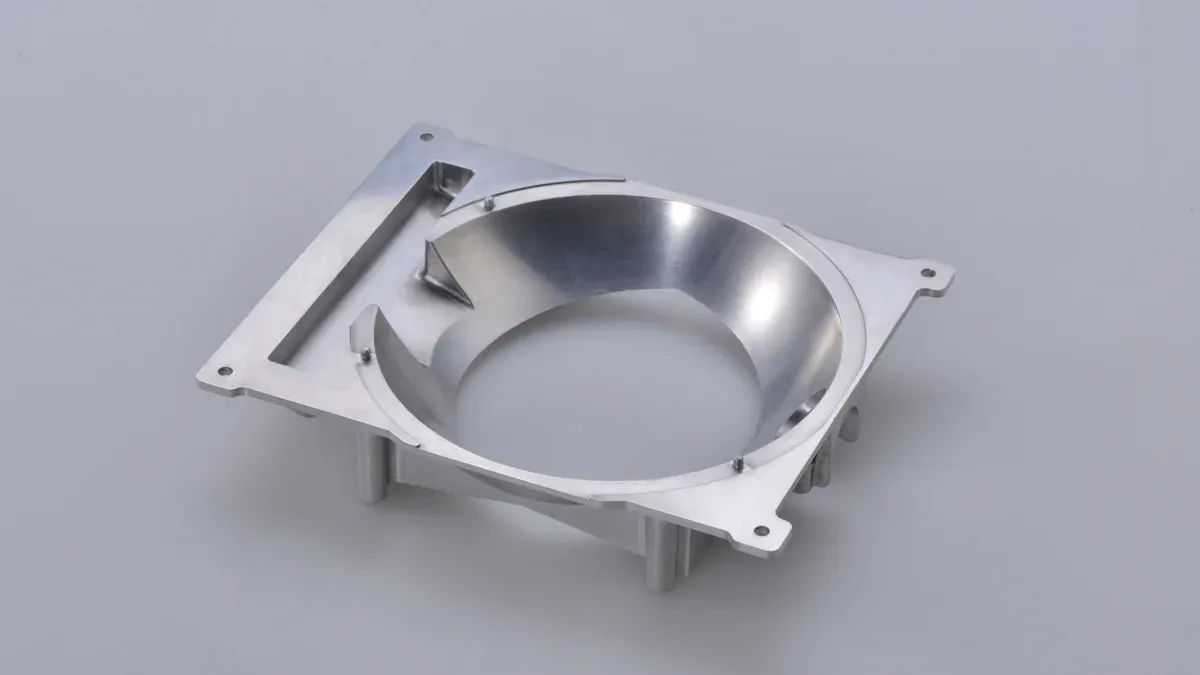
Image Source: unsplash
Pick CNC machining for quick test parts. Pick it for super tight tolerances. It handles complex inside shapes well. It is best for under 500 parts. Pick die casting for big orders. It works best for over 1,000 parts. It makes thin walls easily. It creates near-net shapes fast. It also keeps part costs low.
Comparing casting vs CNC machining shows clear cost differences. CNC machining has zero tooling cost. However, each part costs a lot. Die casting needs big upfront mold costs. But it lowers single part prices greatly. Check your required precision and tolerances first. Also know your strength needs and part volume. Do this before making custom aluminum parts.
Pick CNC machining for small orders under 500 parts.
Pick die casting for large orders over 1,000 parts.
CNC machining shapes strong metal blocks with high accuracy.
Die casting makes fast parts with less wasted material.
Use both ways together to save money on exact details.
You begin with strong solid metal blocks. Computer tools cut away extra metal. This method makes custom cnc machined aluminum components fast. You get high accuracy with this process. Standard tools shape tight inner spaces easily. You make strong cnc machined aluminum hardware quickly. However, cutting metal creates lots of waste.
You melt metal first. Then you push liquid aluminum inside steel molds. High pressure helps fill the mold cavity. The metal cools down very fast. You get detailed die cast aluminum parts quickly. This smart process builds neat shapes easily. You make great die cast aluminum components fast. You do not waste heavy metal.
Your factory choice changes your material use.
Key Waste Metric: Big cnc machining jobs turn 70% metal into scrap.
Scrap Output: Heavy cutting makes big piles of shavings. Recycling helps some. But moving scrap raises labor costs.
Material Efficiency: Normal aluminum casting makes very little waste. You just remelt extra metal pieces instantly.
Thus, die casting stops waste on big orders. You pick cnc machining for exact shapes. Meanwhile, aluminum casting saves the most metal. In the end, cnc machined aluminum offers top accuracy. But die cast aluminum uses material best.
Checking casting vs cnc machining helps balance fast speed with cost. Your build choice controls your main budget.
You start cnc machining without big upfront fees. The cutting process shapes raw metal block by block. You avoid hard setup costs using standard tools. Fast tool runs speed up product launches. This choice fits early design work well.
Die casting needs custom steel dies. These tools cost many thousands first. Yet custom aluminum casting lowers part costs fast.
Tool wear adds extra machine costs over time. Each piece takes manual time and power.
Instead, die casting fills cold molds fast. You craft neat die cast aluminum parts quickly. Quick runs cut costs on huge orders. Every die cast aluminum component looks exact. This quick process improves your main output.
Your final total run counts dictate best savings. Study total run size before buying tools. Small runs use easy cutting. Large runs pay back mold costs. Picking the right build path saves money.
Manufacturing Method | Optimal Volume Threshold | Cost Efficiency Characteristics |
|---|---|---|
CNC Machining | Under 500 units | Cheap for tiny runs. Unit prices stay steady. |
Die Casting | 1,000 to 5,000+ units | Good cost point. Unit prices drop fast later. |
Mass Die Casting | Over 5,000 units | Best cost value. Tooling costs turn tiny. |
Mass die casting saves the most money. It works great for big factory runs.
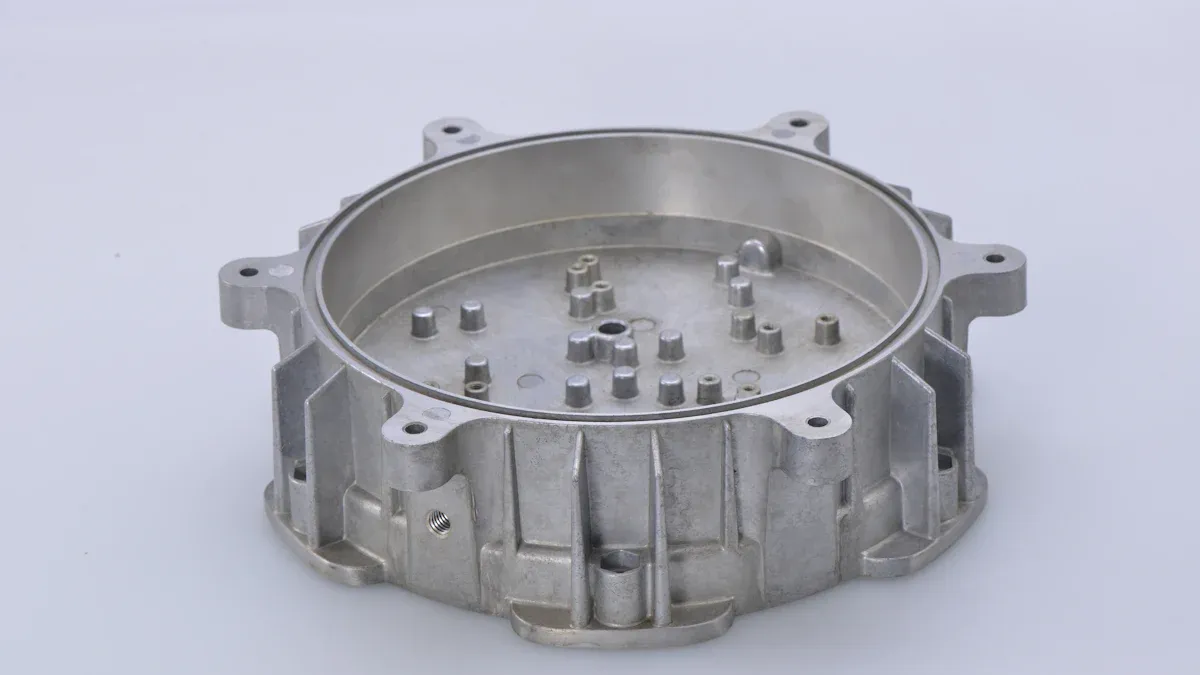
Image Source: unsplash
Test strength and accuracy first. Do this before picking your build process. Machine tools slice solid metal blocks. Casting pours hot liquid metal inside molds.
Solid billets offer great accuracy. Tools keep tight tolerances at ±0.001 inches. Every single batch stays exact. Tools give smooth finishes directly.
Casting gives okay precision. Heat shrink alters final sizes. Basic molds hold loose ±0.005 tolerances. Thus, cutting builds accurate parts best.
Fast liquid metal traps air pockets. Standard casting creates hidden holes. These bad defects drop strength by 30%.
Tip: Air pockets weaken thin walls easily.
Good checks find inside holes fast. Yet, cast metal stays less dense. You must plan for strength losses. Smart safety margins protect final builds.
Solid wrought blocks have aligned grains. You get dense metal without voids. Therefore, cnc machined aluminum handles heavy stress. Strong cnc machined aluminum parts resist huge shakes.
Material / Alloy | Fatigue Strength (MPa) |
|---|---|
Wrought 7075-T6 Aluminum | 160 |
Cast A360.0 Aluminum | 82 – 150 |
Wrought metal beats cast metal here. Standard cnc machined aluminum stops stress cracks. Pick custom cnc machined aluminum components for hard jobs. Simple aluminum casting suits easy parts.
Fast build plans need smart picks. Balance speed against long-term factory output.
Die casting needs custom steel molds first. Toolmakers carefully build heavy steel dies over weeks. Conversely, cnc machining uses CAD files directly. You set up cutting tools in hours. Engineers prefer cnc machining for early project stages.
Manufacturing Method | Setup & Tooling Lead Time | Part Delivery Time |
|---|---|---|
Die Casting Mold Production | 6 to 10 weeks | 8 to 12 weeks |
CNC Machining Setup | Hours to 3 days | 3 to 7 days |
Simple setups give you fast immediate speed. Cutting stock yields ready custom parts quickly. You skip long waits for custom steel dies.
Projects need constant updates during early development. Here, design flexibility and complexity guides your path. Updating code changes cnc machined aluminum geometries instantly. You adjust tool paths without wasting physical tooling. This process offers design flexibility and complexity for prototypes.
Tip: Changing die casting molds requires costly steel re-cutting.
Heavy tooling stops quick product updates. Small changes on hardened steel dies cause delays. In contrast, fast machining keeps engineering teams agile. You make reliable cnc machined aluminum hardware smoothly. Standard machining easily manages unexpected design changes. Once designs stabilize, safely start full-scale die builds. Protect launch timelines using fast cnc machined aluminum options.
You can mix different methods easily. Smart teams use two ways together. You start fast test runs early. You pick cnc machining for samples. Engineers like cnc machined aluminum a lot. This gives fast cnc machined aluminum hardware.
You fix bad design flaws quickly. You check fit before buying dies. Testing cnc machined aluminum saves money. You check shapes without costly molds. Final designs make tool buying safe.
Mass die casting builds shapes fast. Yet cast parts lack precise fits. Liquid aluminum misses tiny tight sizes. Secondary cutting solves this hard problem.
Put die cast aluminum parts into mills. Tools finish small target spots fast. You get exact fit sizes easily. Extra cutting refines threads and grooves. This keeps single part costs low. You get great die cast aluminum parts.
Tip: Secondary cuts target small spots only.
Target Feature | Secondary CNC Machining Operations |
|---|---|
Critical Sealing Surfaces | Milling pads, fixing lines, and cutting grooves |
Threaded Holes | Easy drilling and tapping steps |
This smart workflow offers great quality. You build tough die cast aluminum components.
Pick the best process carefully. Check needs before placing orders.
Balance cost, speed, and precision. Compare methods for custom parts.
Engineering Parameter | Decision Factors for Trade-off Matrix |
|---|---|
Material Performance Needs | Need strong alloys or cast metals? |
Dimensional Precision & Tolerance | Need high accuracy or basic die casting? |
Component Geometry & Design Stability | Easy code edits or fixed molds? |
Lead Times (Development & Production) | Fast early samples or mass output? |
Budgetary & Tooling Framework | Big mold costs or high part prices? |
Speed and strength matter a lot. Check factors during procurement:
Volume needs: Large runs or small flexible orders.
Setup costs: Mold prices versus simple programming steps.
Production speed: Fast mass output or slow cutting.
Scrap waste: Heavy metal shavings or net-shape casting.
Surface finish: Cast smoothness versus cut pass finishes.
Tip: Watch order sizes to save money.
Track milestones to change methods easily. Use this simple checklist:
Output targets: Over 500 units makes cutting too costly.
Stable demand: Switch when sales pay off tool costs.
Design flexibility and complexity: Cut metal during early design updates.
Precision and tolerances demands: Pick machining for tight tolerance needs.
Quality checks: Check parts to ensure exact dimensions.
Checking casting vs cnc machining shows clear cost choices. Big mold costs change single part prices. Part strength and order sizes matter too. Check precision needs and order counts early. Do this before making custom aluminum parts.
Tip: Use flexible cnc machining for early test parts.
Fast code changes help refine your shapes easily.
When sales grow, pick fast high-pressure die casting. This process builds mass parts very quickly.
Finally, run extra cuts on key spots only. Fast secondary tools fix tight sizes easily.
Die casting pushes molten aluminum into molds. CNC machining cuts solid blocks. Machining helps small runs. Casting works for big orders.
Check order size first. Machining has zero tool fees. It fits under 500 units. Casting cuts unit costs later.
Tip: Mixing methods builds exact parts fast.
Yes! Cuts refine die cast aluminum parts. Tools drill holes. They smooth surfaces. This hybrid method saves money.
Cutting wrought aluminum makes stronger parts. Solid metal has no holes. Liquid aluminum traps air. Thus, cut parts handle stress best.
