
Views: 0 Author: Site Editor Publish Time: 2026-08-11 Origin: Site


Image Source: pexels
Getting an exact die casting quote takes complete info.
You need full technical, material, and business details.
Define your project scope early for the best results.
Send precise 3D CAD models right away.
Choose your target aluminum die casting alloys carefully.
Include your precise tolerances and expected production volumes too.
Pro Tip: Full early data speeds up RFQ processing. It prevents costly post-quote price revisions!
Giving full details speeds up your quote preparation.
This helps with all custom die casting services.
Clear details remove doubt about the project scope.
They also lower the overall tooling cost effectively.
Send precise details now for a fast, dependable quote.
Send exact 3D CAD files and 2D engineering drawings.
These files set your exact project scope.
Choose proper aluminum or zinc alloys early.
Match your physical part performance needs.
Share accurate yearly production numbers.
Good numbers help mold choices.
They also lower overall unit costs.
List all CNC machining needs.
State surface coating and leak testing rules.
This creates an accurate total quote.
Give full project details up front.
Early details lower tooling costs.
They also speed up delivery times.
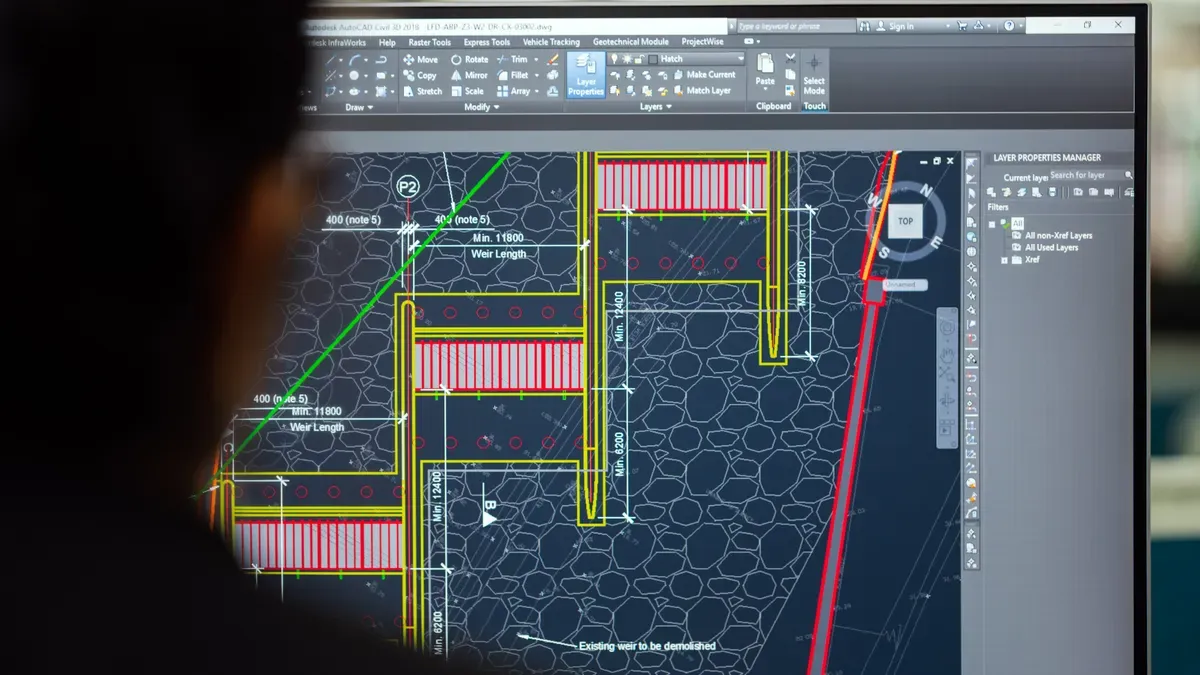
Image Source: pexels
Exact shape data helps estimate part costs correctly. Send clear 3D models and engineering prints. These files show your full project scope. Engineers analyze files to count material needs. They calculate press sizing and cycle times.
Send 3D CAD files in standard formats. Good file types include STEP, STP, and SLDPRT. You can also use IPT, PRT, or SAT.
Preferred 3D CAD Formats: .STEP / .STP | .SLDPRT | .IPT | .PRT | .SAT
These files help engineers study space details. They check wall thickness and draft angles easily. Early reviews find shrink porosity and fill problems. Clean solid models show project details fast.
3D files show basic part shapes. 2D prints show precise technical details instead. You need 2D prints with GD&T rules:
Communicates Complete Manufacturing Specifications: 3D files show basic outer shapes. 2D prints list materials, tight tolerances, and threads. They also show surface textures and special notes.
Defines Design Intent and Fixturing: 2D prints mark key datums and features. Clear layouts guide workers on part holding methods. Operators do not guess how to measure parts.
Serves as the Binding Quality Contract: ISO rules make 2D prints official contracts. They help settle quality arguments during part checks.
Controls Casting Geometries: GD&T rules ensure correct draft angles and profiles. They help make parts without defects.
Foundries review 2D prints using ISO standards. NADCA rules also help check project dimensions. The table lists standard and precision tolerance rules:
Feature Category | Standard Tolerance Designation | Precision Tolerance Designation |
|---|---|---|
Linear Dimensions | S-4A-1-09 | P-4A-1-09 |
Parting Line | S-4A-2-09 | P-4A-2-09 |
Moving Die Component | S-4A-3-09 | P-4A-3-09 |
Angularity | S/P-4A-4-09 | S/P-4A-4-09 |
Concentricity | S-4A-5-09 | N/A |
Parting Line Shift | S-4A-6-09 | N/A |
Draft | S/P-4A-7-09 | S/P-4A-7-09 |
Flatness | S-4A-8-09 | P-4A-8-09 |
Cored Holes for Cut Threads | S-4A-9-09 | P-4A-9-09 |
Cored Holes for Formed Threads | N/A | P-4A-10-09 |
Cored Holes for Pipe Threads | S-4A-11-09 | N/A |
Cast Threads | S-4A-12-09 | N/A |
Machining Stock Allowance | S/P-4A-13-09 | S/P-4A-13-09 |
Highlight key dimensions needing extra CNC machining. Marking key areas avoids extra work on simple surfaces.
Raw aluminum castings need tiny machining allowances. Adding 0.5 mm extra metal is usually enough. Sealing areas need no more than 0.5 mm. Cast surfaces are already very smooth and clean.
Design Note: Small machining extra layers keep outer skins strong. Deep cuts expose hidden holes inside metal.
Clear prints list all main needs early. Full size data helps build accurate quotes quickly. Fast data speeds up main factory planning.
Picking proper metals is key for your RFQ.
Match physical traits with your part environment.
Factories use A380 or ADC12 for parts.
These metals give great strength and heat control.
List your aluminum die casting alloys requirements early.
Yet, some small items need zinc instead.
Pick zinc for tiny parts like locks or connectors:
High Precision & Detail: Liquid metal fills small spaces with ease.
Tight Tolerance Capabilities: Holds tight sizes down to tiny inches smoothly.
Thin Wall Construction: Forms light shapes without losing any strength.
Extended Mold Longevity: Lower heat keeps tooling safe for years.
Superior Surface Quality: Smooth cast finishes need very little work.
Your annual need affects tooling cost and planning.
Custom die casting services beat milling past 200 items.
Share prototype targets and full run volumes clearly.
Annual Production Volume | Recommended Mold Configuration | Scrap Rate & Control | ROI / Financial Impact |
|---|---|---|---|
Low Volume (< 5,000 units) | Lower-cavity (e.g., 1x2) | 2% – 5% scrap; easily controllable and diagnostic | Ideal starting point for tight tolerances; minimizes initial risks |
Mid Volume (5,000 – 25,000 units) | Balanced multi-cavity (e.g., 1x4) | 5% – 10% scrap (can drop below 7% with setup) | Competitive tooling costs per unit; optimal balance between scrap and yield |
High Volume (25,000+ units) | Higher-cavity (e.g., 1x8) | Higher scrap risks; requires higher scrap budgets | High efficiency offsets tool costs, delivering the lowest total cost per good part |
Shops find base costs using part weight details.
Provide full data to estimate metal loss right.
Cost Tip: Big orders justify complex multi-cavity tools. Large runs lower unit prices very fast.
Share complete scope details and full schedules early.
Accurate data ensures a fair die casting quote.
Define your machining needs clearly.
Liquid metal forms hard shapes.
Raw metal castings have real limits.
Some designs need exact sizes.
Use CNC tools for fine details.
CNC tools handle tough shapes:
Bearing bores (±0.01 mm tight sizes)
Tapped bolt holes
Smooth sealing surfaces (Ra 0.8 μm)
Precision mounting faces
Machines cut threads inside metal holes later.
This work sets your true project scope.
Coatings protect metal from outer wear.
Choose coatings based on part uses.
Compare traits of e-coating and anodizing:
Criteria | E-Coating | Anodizing |
|---|---|---|
Cost & Operational Efficiency | Low cost for big production runs. Uses less power and automated steps. | Higher total cost overall. Needs high voltage and costly chemical management. |
Corrosion Protection | Great protection; forms a sealed layer with strong chemical bonds. | Lower protection on cast aluminum. Needs extra sealing against moisture. |
Coverage on Complex Geometries | Superior; covers deep inner holes evenly across complex shapes. | Uneven; fails on sharp edges and deep blind holes. |
Aesthetics & Finish | Smooths rough metal surfaces; offers limited color options. | Shows surface flaws clearly; offers many bright color choices. |
Powder coating cuts costs for large orders:
Cost-Effectiveness: Tumbling metal and powder coating saves manual work.
Structural Durability: Builds a tough layer for heavy outdoor gear.
Synergy with E-Coat: Fits over e-coat bases for maximum safety.
State your main quality rules early.
Shops use strict tests on part sizes.
Strong checks stop defects during big runs.
Quality Tip: Air pressure checks seal hollow spaces. Share leak limits early for a true price!
Clear test rules lower project risks.
Top teams check leak paths before build steps.
Engineers adapt molds to match safety rules.
Sharing complete details gets accurate price quotes.
Set your tool goals early.
Pick your total output volume target.
Metal choices set die output limits.
Strong H13 steel molds last long.
They reach one million total cycles.
Shops harden this tough tool steel.
They use it for high volume runs.
Your mold design changes the tooling cost:
Mold Type | Impact on Initial Tooling Quotation |
|---|---|
Family Mold | Lower Upfront Cost: Groups parts in one tool. Saves money on main mold builds. |
Multi-Cavity Mold | Higher Upfront Cost: Needs more starting cash flow. Uses extra steel and complex cuts. |
Complex tool builds raise initial prices:
Fabrication Precision: Multi-cavity builds need extra care.
Material and Machining: CNC cutting takes more raw steel.
List all secondary shop tasks early.
Clear notes define total project scopes.
Firms offering custom die casting services install inserts.
They tap threads and build sub-assemblies.
Grouping jobs saves cash on quotes.
Logistics Tip: Pick your final packaging options quickly. Cheap boxes lower shipping costs fast. Custom trays shield clean machined faces.
Avoid quote delays with complete data.
Organize key details with this list:
Parameter Category | Key Items Included |
|---|---|
Project Identification | Part name, revision, target market |
Design Files | 3D models, 2D drawings |
Scope of Work | Raw metal, CNC steps, assembly |
Volume & Program | Prototypes, total annual parts |
Share exact volume targets right away.
This data secures your die casting quote.
Check prints to get fast responses.
Send full 3D models and precise materials.
Include exact tolerances and volume numbers early.
This information guarantees a fast die casting quote.
You clarify your project scope early.
You also secure top manufacturing quality right away.
DFM Tip: Early engineering teamwork improves part shapes. It lowers tooling cost and speeds up production.
Work with custom die casting services early.
These experts refine your scope very fast.
They lower unit costs and speed up schedules.
Get your die casting quote today.
This step helps launch your project smoothly.
Simple prints give basic cost estimates.
Yet, factories need 3D models for real prices.
Engineers study shapes using 3D models.
This helps them design good prototype tools.
Cost Factor: Big orders split tooling cost among many parts.
Order size changes your total unit price.
Making more parts lowers unit costs fast.
Big runs help workers set fast machine times.
Standard aluminum die casting alloys give high strength.
Types like A380 offer great heat control too.
These metals fit tough outer frames very well.
Yes, sample parts test your design early.
You check fit and tight sizes easily.
This test finds bad defects before main runs.
