
Views: 0 Author: Site Editor Publish Time: 2026-10-29 Origin: Site


Tooling represents a major capital expenditure in modern industrial manufacturing. When unexpected mold failures occur, they do much more than incur steep replacement costs. They disrupt strict production schedules and severely compromise final part quality. Normal end-of-life wear is an expected part of the manufacturing cycle. However, premature damage typically stems from uncontrolled process variables, poor tooling design, or operational negligence. You must distinguish between natural degradation and completely preventable failures to protect your investments. In this comprehensive guide, we will equip engineering and procurement teams with an evidence-based framework. You will discover how to identify the distinct root causes of mold degradation effectively. Furthermore, we will help you evaluate hidden operational risks on the factory floor. Finally, you will learn how to assess prospective manufacturing partners based on their tooling management capabilities.
Thermal fatigue (heat checking) and erosion account for the majority of premature die-casting mold failures.
High-pressure die casting (HPDC) accelerates wear through high gate velocities and cavitation, requiring specialized mitigation.
Mold lifespan is directly tied to proactive thermal management, strictly enforced pre-heating SOPs, and advanced surface treatments.
When evaluating die-casting vendors, their tooling warranty, predictive maintenance protocols, and initial flow simulation accuracy are critical shortlisting criteria.
Cyclic thermal stress constantly assaults tooling during active production runs. Molten metal rapidly heats the cavity surface upon injection. Immediately afterward, internal cooling lines aggressively chill the steel. This extreme temperature fluctuation forces the metal to expand and contract endlessly. Micro-cracks inevitably form along the die surface. Over time, they propagate deeper into the core block. Engineers refer to this network of cracks as heat checking. Unchecked, it leaves raised ridges on your cast parts. You must actively manage thermal gradients to delay this inevitable fatigue.
High-velocity molten alloy acts like an abrasive waterjet inside the tool. It physically washes away tool material upon impact. This erosion typically occurs near gates and narrow runner sections where speeds peak. Cavitation presents an equally destructive force. Rapid pressure changes cause vapor bubbles to form within the liquid metal stream. These bubbles violently collapse against the mold wall at critical pressure zones. The resulting shockwaves pit the steel surface. Over thousands of cycles, erosion and cavitation alter critical dimensions beyond acceptable tolerances.
Molten alloys often react chemically with bare tool steel. Aluminum alloys are particularly notorious for this aggressive behavior. When liquid aluminum bonds tightly to the cavity wall, soldering occurs. This metallurgical bond compromises the tool surface entirely. Part ejection becomes incredibly difficult. The ejection pins may punch through the part, or the surface tears away upon opening. You lose valuable production time stopping to polish the affected areas. Die-Casting Molds are especially vulnerable to soldering if operators apply insufficient die lubricant.
Sometimes, catastrophic mechanical failure destroys a tool instantly. Gross cracking splits the mold block completely. This often results from excessive locking forces applied by the injection press. Improper heat treatment also leaves the tool steel brittle. If technicians skip critical tempering steps, impact toughness drops significantly. Sudden thermal shock from a cold start can easily snap a brittle core pin. Gross cracking halts production immediately. You must ensure proper steel selection and rigorous heat treatment to prevent these sudden disasters.
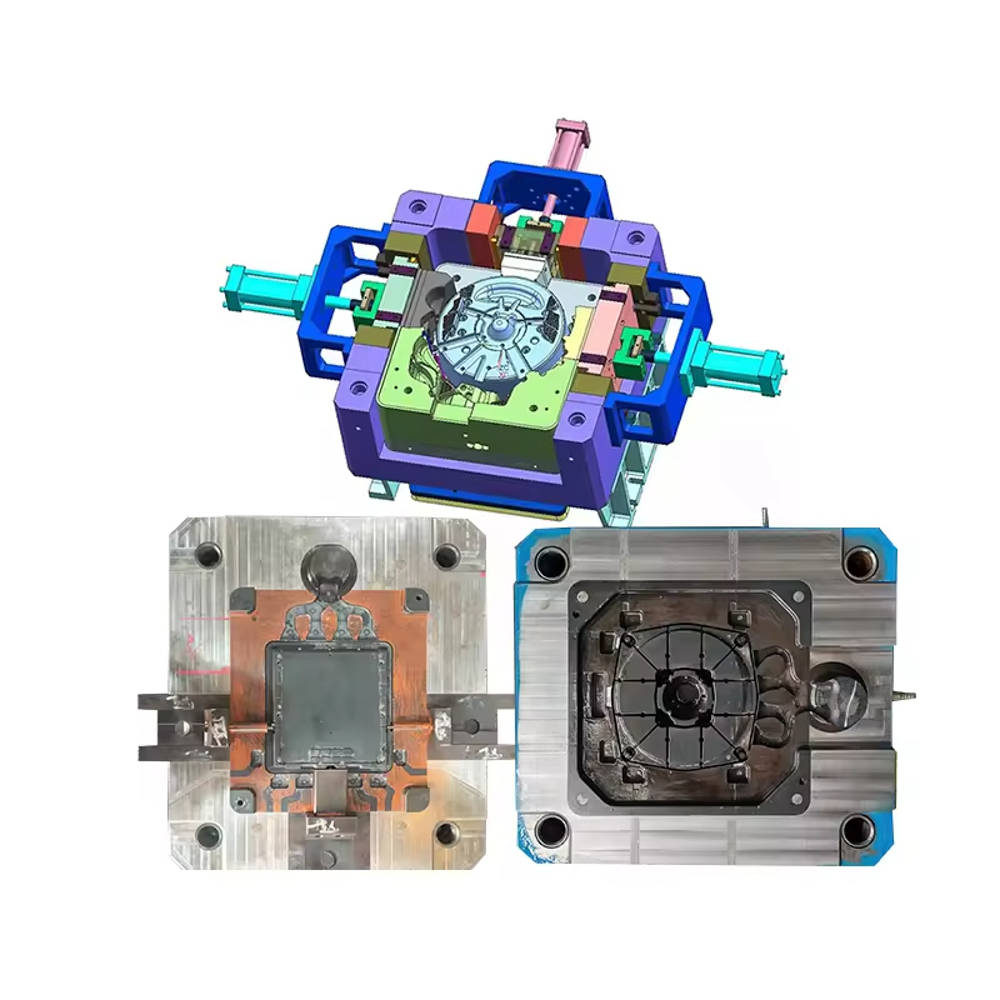
Poor temperature control ruins tooling faster than any other operational factor. Poorly designed cooling channels create severe thermal imbalances. Certain areas overheat dangerously while others remain too cool. This uneven temperature distribution accelerates localized fatigue rapidly. Insufficient pre-heating before a production run is equally dangerous. Hitting cold steel with superheated molten metal causes massive thermal shock. Operators must warm the tool to its operating temperature first. Successful Die Casting relies entirely on maintaining a highly stable thermal equilibrium.
Pushing machines beyond safe limits degrades tooling rapidly. Excessive injection speeds force liquid metal into the cavity too violently. This drastically increases erosion near the runner gates. Unbalanced fill pressures cause localized wear spikes. Sometimes, operators bump up the pressure to fix a short shot. However, this over-pressurizes the cavity and forces metal into delicate parting lines. You must optimize your shot profile carefully. Balanced operational parameters preserve the tool while achieving acceptable part density.
The chemical makeup of your melt directly impacts tool longevity. Variations in melt temperature change the alloy's fluidity and aggressive nature. Excessively hot metal chemically attacks the tool steel faster. Furthermore, alloy impurities cause severe problems during production. For instance, low iron content in aluminum alloys drastically increases the likelihood of soldering. The melt tries to pull iron directly from the mold steel. Maintaining strict metallurgical control over your furnace prevents this unwanted chemical attack.
Cutting corners on tool steel guarantees premature failure. Using inferior grade steel variations compromises structural integrity from day one. Standard H13 steel requires precise forging and tempering. Improper heat treatment leaves internal stresses trapped within the steel block. This drastically lowers the overall impact toughness. You might save money initially on cheap steel. However, the tool will crack much sooner under high production stresses. Always specify certified premium-grade steel and demand proper vacuum heat treatment documentation.
High-pressure processes demand incredibly fast cycle times to remain profitable. These fast cycles require extreme injection velocities. Consequently, the liquid metal impacts the cavity walls with immense kinetic energy. This creates intense, localized wear zones near the gates and runners. The steel directly opposite the gate takes severe abuse. Washout occurs much faster in these high-impact areas. Engineers must design thicker steel sections or use replaceable insert blocks at these specific vulnerability points.
High injection pressures easily force liquid metal between the die halves. We call this thin layer of escaped metal flashing. Flash physically damages the delicate parting lines over time. Furthermore, flashing alters the total surface area under pressure. This over-stresses the machine tie bars and the tool during clamping. The press struggles to hold the mold closed. Repeatedly clamping down on hardened flash crushes the parting line surfaces entirely.
Inadequate venting causes hidden damage inside the cavity. As metal rushes in, it compresses the ambient air inside. If this gas cannot escape, it superheats instantly. These trapped gases create localized micro-explosions against the steel wall. This phenomenon physically degrades the cavity surface over time. It creates tiny pits that eventually grow into larger cosmetic defects. Proper vacuum systems and strategically placed chill vents eliminate this destructive gas entrapment.
You can protect vulnerable surfaces using advanced surface engineering. Applying Physical Vapor Deposition (PVD) coatings extends tooling life significantly. Nitriding or nitrocarburizing treatments harden the outer steel layer. These processes create a robust physical barrier against soldering and thermal shock. They prevent the molten alloy from touching the bare steel directly. While coatings add initial upfront costs, they deliver a massive return on investment. They drastically reduce polishing downtime and delay heat checking formation.
Strategic thermal management requires highly optimized cooling designs. Traditional straight-line cooling channels often miss critical hot spots. Today, engineers utilize conformal cooling techniques. They use 3D metal printing to build cooling lines that hug the cavity contours perfectly. This eliminates thermal hot spots entirely. Uniform cooling prevents unequal expansion and contraction. It directly mitigates the primary cause of thermal fatigue. Properly placed channels keep the entire tool at a safe, steady operating temperature.
Baseline operational requirements are non-negotiable for long tool life. Your team must follow mandatory pre-heating routines before every run. Hitting cold steel with liquid metal is strictly forbidden. Technicians must apply die lubricants precisely and uniformly. Over-spraying cools the tool too much, while under-spraying invites soldering. Furthermore, operators must control cooling rates carefully during shutdowns. Rapidly chilling a hot tool causes sudden contraction and gross cracking. Strict SOPs protect your tooling assets daily.
You cannot run a tool until it breaks. Regular predictive maintenance is absolutely essential. Engineers must schedule regular stress-relieving tempering intervals. Heating the tool in a furnace releases built-up operational stresses. Ultrasonic cleaning removes hard scale from hidden cooling channels. Routine dimensional inspections help catch micro-fractures before catastrophic failure occurs. We recommend tracking every maintenance activity diligently to forecast end-of-life accurately.
Table: Recommended Predictive Maintenance Intervals
Maintenance Activity | Frequency (Shot Count) | Primary Purpose |
|---|---|---|
Visual Inspection & Polishing | Every 10,000 shots | Remove minor soldering and check for early heat checking. |
Cooling Channel Descaling | Every 25,000 shots | Restore optimal heat transfer rates inside the tool. |
Stress Relieving (Tempering) | Every 50,000 shots | Relax internal steel tension to prevent gross cracking. |
Complete Tool Teardown | Every 100,000 shots | Replace worn pins, inspect core blocks, and measure dimensions. |
A competent vendor proves their engineering before cutting steel. You must assess whether they use mold flow analysis software upfront. Tools like MAGMASOFT predict thermal behavior accurately. They simulate the exact filling pattern of the liquid metal. This allows engineers to optimize gate design and vent placements virtually. Catching thermal hot spots during the Design for Manufacturing (DFM) phase saves thousands of dollars later. Insist on seeing these simulation reports before approving tool builds.
Service Level Agreements (SLAs) must clearly define tooling longevity. Determine exactly what constitutes a "guaranteed shot count" in their contract. You must clarify who bears the cost of routine maintenance. Outline who pays for complete replacement if the tool fails prematurely. Transparent vendors take responsibility for the tools they run. They do not hide behind vague wear-and-tear clauses. A clear SLA protects both the buyer and the manufacturer from unexpected disputes.
Top-tier manufacturers link part quality directly to tool health. They connect rising defect rates to their maintenance triggers. For example, increased flash indicates parting line wear. Dimensional drift signals core pin erosion. When quality control flags these issues, maintenance teams should intervene immediately. Evaluate how seamlessly the vendor shares this data across departments. A disconnected shop floor will run a degrading tool until it produces entirely scrap parts.
You need a structured approach to evaluate prospective partners. Use this logical checklist to audit their tooling management capabilities thoroughly:
Demand proof of regular stress-relief maintenance logs for active projects.
Verify their standard tool steel grades and request material certifications.
Audit their die-lube application technology for consistency and automation.
Review their water treatment protocols to ensure cooling lines stay clean.
Check their in-house repair capabilities, including welding and CNC machining.
Vendors who pass this checklist are far less likely to ruin your tooling assets prematurely.
Die-casting mold damage is rarely a random occurrence. It is largely predictable and entirely preventable through rigorous engineering. By controlling process parameters and enforcing strict maintenance, you extend tooling life significantly. You must shift from a "lowest upfront tooling cost" mindset. Instead, focus entirely on long-term value and operational reliability. Cheap tooling often results in massive downtime and frequent repairs. Factoring in routine maintenance and guaranteed uptime yields far better financial results. We encourage you to act proactively on these insights. Request detailed maintenance SLAs from your prospective suppliers. Ask them for a comprehensive DFM audit on your current part designs. Validate their mold management expertise before you sign any production contracts.
A: A standard aluminum die-casting mold typically lasts between 50,000 and 100,000 shots. However, this lifespan varies greatly based on part geometry, steel quality, and maintenance routines. High-quality H13 steel with proper surface treatments can exceed 100,000 shots, while complex geometries with thin walls degrade faster.
A: Yes, minor heat checking can be polished out temporarily. For deeper cracks, technicians can weld and remachine the affected area. However, these are temporary fixes. Once the steel reaches its thermal fatigue limit, heat checking will rapidly return, making complete tool replacement inevitable.
A: Pre-heating reduces the extreme temperature delta between the ambient tool steel and the incoming molten metal. If molten alloy hits cold steel, it causes severe thermal shock. Pre-heating strictly prevents premature gross cracking and reduces early thermal fatigue.
A: This depends on the Service Level Agreement (SLA). Typically, the manufacturer covers routine maintenance and repairs during the guaranteed shot life. Once the tool exceeds its contractual lifespan, the client usually pays for a replacement mold. Always define these terms before production begins.
